


| Issue |
Cah. Agric.
Volume 35, 2026
Resilience of semi-arid rural socio-environmental systems - Crossed points of view from Brazil and Africa / Résilience des systèmes socio-environnementaux ruraux semi-arides - Regards croisés Brésil et Afrique. Coordonnateurs : Julien Burte, Eduardo SPR Martins, Marcel Kuper, Sami Bouarfa, Jean-Yves Jamin
|
|
|---|---|---|
| Article Number | 10 | |
| Number of page(s) | 13 | |
| DOI | https://doi.org/10.1051/cagri/2025042 | |
| Published online | 23 avril 2026 | |
Article de recherche / Research Article
Reinventing the Forquilha Valley in Ceará, Brazil: Transforming a semi-arid territory through the introduction of a new sociotechnical irrigation system
1
Institute of Meteorology and Water Resources (FUNCEME), Fortaleza, Brazil
2
CIRAD, UMR G-EAU, IAV Hassan II, Rabat, Maroc
3
G-EAU, Univ Montpellier, Montpellier, France
* Corresponding author: Cette adresse e-mail est protégée contre les robots spammeurs. Vous devez activer le JavaScript pour la visualiser.
Abstract
Adopted to ensure food security, irrigated agriculture and irrigation technologies have important implications for food production and agrarian systems. This paper analyzes the impacts of irrigation in a semi-arid region, considering the technical and social dimensions, as well as the symbolic meaning of the changes. The study area is the Forquilha Valley, a semi-arid basin in Ceará, Northeastern Brazil, which experienced substantial changes following the implementation of a drip irrigation project in 1998. Our analysis employs a socio-technical approach. We conducted a participatory diagnosis and interviews with key stakeholders. The results demonstrate that introducing irrigation has fostered new agricultural practices, crop diversification, and improved farmers' perceptions of their rural area and farming systems. In addition to conventional agriculture (the dominant regime), a niche agro-ecological system has developed with the support of NGOs and other actors. This analysis of the irrigation project's effects highlights the complexity of socio-technical linkages and the inherent challenges in transitioning to more sustainable systems.
Résumé
Adoptées dans le but d'assurer la sécurité alimentaire, l'agriculture irriguée et les techniques d'irrigation ont des conséquences importantes sur la production alimentaire et les systèmes agraires. L'objectif de cet article est d'analyser les impacts de l'irrigation dans une zone semi-aride, en tenant compte des dimensions techniques et sociales et de la signification symbolique des changements. La zone d'étude est la vallée de Forquilha, une région semi-aride localisée dans le Ceará, au nord-est du Brésil, qui a connu des changements significatifs avec la mise en œuvre d'un projet d'irrigation en 1998. Notre analyse s'est basée sur une approche socio-technique. Nous avons réalisé un diagnostic participatif et des entretiens avec les parties prenantes. Les résultats montrent que l'introduction de l'irrigation a conduit à une diversification des pratiques agricoles et des cultures et au changement de la perception de leur espace rural et de leurs systèmes agricoles par les agriculteurs. En plus de l'agriculture conventionnelle (le standard), un système agro-écologique (une niche) a été établi avec l'aide d'ONG et d'autres acteurs. L'analyse des effets de ce projet d'irrigation nous permet de souligner la complexité des liens socio-techniques et les défis d'une transition vers des systèmes plus durables.
Key words: semi-arid / irrigation / socio-technical system / sustainable systems / Brazil
Mots clés : semi-aride / irrigation / système socio-technique / systèmes soutenables / Brésil
© N.S. Leite et al., Hosted by EDP Sciences 2026
 This is an Open Access article distributed under the terms of the Creative Commons Attribution License CC-BY-NC (https://creativecommons.org/licenses/by-nc/4.0), which permits unrestricted use, distribution, and reproduction in any medium, except for commercial purposes, provided the original work is properly cited.
1 Introduction
Climate change continues to intensify pressures and negatively impact nature and societies (Altieri and Toledo, 2011). More frequent and severe droughts are observed, particularly in semi-arid regions such as northeastern Brazil, highlighting the need for effective water management. Consequently, improved irrigation technologies are crucial for food production, promoting food security, and supporting economic development in semi-arid areas (Caitano et al., 2015). These technologies, including pipe distribution systems, laser field leveling, and the conversion to pressurized sprinkler or drip/subsurface drip systems, play a vital role in maximizing water efficiency, thereby obtaining greater production per unit of water (Perry et al., 2017).
Over the past 20 years, Brazil has doubled its irrigated land (IBGE, 1996–2017). Simultaneously, from 2010 to 2020, pesticide imports increased by over 100% (Ibama, 2020), including pesticides banned in the US and EU due to their reported toxicity (Greenpeace, 2019). Meanwhile, social movements associated with small farming (such as the MST - Movimento dos Trabalhadores Rurais Sem Terra, a well-known Brazilian landless movement) advocate for agroecology and family farming (Sabourin et al., 2017; Goulet et al., 2020). This contrasts sharply with the easy access to pesticides (due to low prices, high availability in local stores, and widespread knowledge of their use), which encourages their adoption by family farms (Gama et al., 2013; Collard and Burte, 2014).
In this context, a collaborative effort in the semi-arid region of Ceará, Brazil (involving local community actors, local government, and universities) has led to a pioneering initiative to introduce irrigated agriculture into traditionally rain-fed areas and promote their socio-economic growth (Collard and Burte, 2014). In these newly irrigated areas, most farmers employ conventional farming practices, relying heavily on chemical inputs in both pesticides and fertilizers nevertheless, a growing number of farmers have transitioned to agroecological practices, such as organic pest control methods (Collard and Burte, 2014).
This study focuses on the Forquilha basin, located in the state of Ceará, Brazil. Characterized by a semi-arid climate, it is historically an area of subsistence rain-fed agriculture and extensive livestock production, heavily dependent on rainfall patterns. The region underwent a major transformation with the 1998 “Pingo d'Água” (Drop of Water) project, which introduced irrigated crops.
This study aims to analyze the various effects resulting from the introduction of a new technology (drip irrigation), going beyond a simple analysis of agricultural practices within the context of agricultural transition. Our approach is based on sociotechnical analysis. The sociotechnical analysis provides a multidimensional understanding of the alignment of groups around a particular trajectory (the dominant regime of conventional agriculture) and alternatives (the niche agroecological system), as proposed by Geels and Schot (2007). This article contributes to technology transition studies (specifically irrigation), while further exploring the symbolic context and public policy dimensions of this transition.
2 Materials and methods
2.1 Theoretical and methodological approach
Our approach employs a sociotechnical analysis, guided by the theoretical framework developed by Geels and Schot (2007) within the Multi-Level Perspective (MLP). The MLP facilitates a comprehensive examination of sociotechnical systems by analyzing their interactions across three levels: niche, regime, and landscape. The sociotechnical approach posits that specific factors can reinforce a dominant trajectory, while alternative arrangements can be organized in opposition to it (Geels and Schot, 2007). However, the sociotechnical regime itself is dynamic, evolving along a trajectory of innovations that enhance and stabilize it.
In contrast, the niche operates at the micro-level, where radical change occurs. Niches and regimes involve stakeholders interacting under specific rules to achieve a common goal, exhibiting differences in network size and stability. The regime is broader and more stable, while the niche comprises a smaller network of actors, often marginalized. In this study, we focus on both regime and niche scales, analyzing the interactions within the sociotechnical system.
Our analysis started with exploratory field visits to conduct empirical observations and interviews with key stakeholders, including farmers, a cooperative representative, and an institutional actor. These surveys aimed to gain insight into the implementation of sustainable agriculture projects and policies, and their potential to enhance the capacity of niche or regime systems.
Field visits and interviews were conducted between November 2019 and March 2020, with a follow-up in November 2020. The fieldwork included individual interviews with local farmers, though these were limited due to COVID-19 restrictions. In total, 22 semi-structured interviews were conducted across 14 communities along the entire length of the Forquilha River. Furthermore, informal conversations with local residents further enriched the data. The research area extended throughout the Forquilha River basin, reaching beyond the formal boundaries of the Pingo d'Água project, recognizing its indirect influence across the basin. These interviews offered valuable insights into how both younger and older farmers and residents perceived and responded to changes brought about by irrigation, including shifts in practices, the emergence of new actors, and evolving understandings of the region's significance. The general profile of the interviewees is presented in Table 1.
In addition, interviews were conducted with institutional stakeholders, including a representative from a Non-Governmental Organization (NGO) and representatives from two government institutions: (1) the Company for Technical Assistance and Rural Extension of Ceará (Ematerce), responsible for Rural Technical Assistance (ATER), and (2) the Ceará State Agricultural Defense Agency (ADAGRI), which regulates and controls livestock production. Table 2 summarizes the roles and importance of the institutional interviewees.
The collected data were analyzed to understand the common patterns underlying the development of activities promoting stability within both dominant trajectories (conventional farming practices) and alternative alignments (agroecological practices, such as "user practices, regulation, industrial networks, infrastructure, and symbolic meaning," according to Geels, 2002). The analysis considered three temporal scales (before, during, and after) in relation to the structuring of policies for initiating the irrigation project, the project activities, and their subsequent effects. Ultimately, the study explored the relationship between the agroecological niche and conventional agriculture, taking into account the impact of public policies supporting agroecology, specifically the PAA (Food Acquisition Programs) and PNAE (National School Feeding Program), which support family farming through the purchase of food with federal funds.
The interviews with institutional stakeholders facilitated a more comprehensive analysis of the dynamics, values, and interventions associated with the Pingo d'Água project, providing a broader perspective on changes and the involvement of new actors in the region.
2.2 Study area
The study area encompasses the communities located within the Forquilha River valley in the municipality of Quixeramobim, Ceará State, Northeast Brazil. The river is intermittent and prone to periodic droughts. The Pingo d'Água project focused on three specific downstream communities within the basin: São Bento, Forquilha, and Várzea do Meio (Fig. 1).
Understanding the territory of Forquilha requires highlighting its semi-arid climate, characterized by irregular rainfall patterns in both time and space, with annual precipitation below 800 mm and temperatures ranging from 24°C to 28°C. The region frequently experiences extended periods without rain, as well as years of water deficit (De Moura et al., 2019).
In the Brazilian Northeast, the primary atmospheric phenomenon influencing rainfall is the Intertropical Convergence Zone (ITCZ), which extends to lower latitudes, particularly during March and April. The dynamics of the ITCZ in the Northeast are strongly affected by the temperatures of the Atlantic and Pacific Oceans. The warming of the Pacific Ocean during El Niño events diminishes the influence of the ITCZ, leading to years of severe drought, an effect compounded by conditions in the tropical Atlantic (FUNCEME, 2014; De Moura et al., 2019). Conversely, extreme flooding associated with La Niña can also occur, though less frequently, posing a threat to production and subsistence (Seigerman et al., 2024).
High evapotranspiration rates in the region, ranging from 1,200 to 3,200 mm, contribute significantly to soil water loss. In central Ceará, the presence of crystalline geology, alongside the semi-arid climate, further restricts soil development, resulting in low water storage capacity both above and below ground (Lima et al., 2000).
Agriculture, highly reliant on climate conditions, is therefore directly affected by the semi-arid climate, as well as social and political factors that increase the vulnerability of local populations.
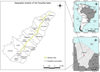 |
Fig. 1 Geographic location of the Forquilha basin, Ceará-Brazil. Localisation géographique du bassin de Forquilha, Ceará-Brésil. |
3 Results and discussions
3.1 The Pingo d'Água project: how was it done and how far did it go?
The Pingo d'Água project, active from 1998 to 2004, represented a collaborative effort involving the Forquilha communities, the Quixeramobim prefecture, the Universidade Estadual do Ceará, and the University François Rabelais of France. The project primary objective was to enhance family farming through the development of irrigated agriculture. Figure 2 illustrates the project trajectory, including its various drivers and effects/outcomes. The Pingo d'Água project was initiated during a period of active implementation of rural development policies. In addition to PRONAF (National Program for Strengthening Family Agriculture) and “Hora de plantar” (Time to plant, a development program of the Ceará Government), rural energy initiatives (such as the São José project) played a significant role in the project development.
Toledo and Tsuzuki (2008) and SEINFRA (2011) note that the São José Project significantly improved electricity access in rural Ceará, increasing coverage from 30% in 1996 to 60% in 2000, reaching 82% by 2002. However, from 2004 onward, with the launch of the federal government Luz para Todos (Light for All) program, the São José Project ceased its financing of rural electrification in the state.
During the Pingo d'Água project, numerous initiatives were undertaken, including constructing tube wells in the alluvial areas in 1999, training local farmers by new stakeholders (French technicians), conducting soil studies, and providing equipment.
The first water supply systems were installed in 2001, coinciding with the rural electrification policy. The first wells were built in 1999. Small irrigation projects commenced in 2000, and by 2004, 27 irrigators were already active. The irrigation system was concentrated in the three downstream communities: São Bento, Forquilha, and Várzea do Meio.
Pingo d'Água was one component of several social policies designed to enhance the socio-economic capacity of farmers by increasing agricultural productivity and profitability. In 2003, the “Bolsa Familia” (Family Allowance) program increased the income of the poorest families in Brazil. In the same period, the PAA (Food Acquisition Programs) and, more recently in 2009, PNAE (National School Feeding Program) also played an essential role in creating an institutional market for local agricultural products. Dumont et al. (2020) argue that financial independence and access to markets are critical for reducing risks and empowering farmers in economic and technical decision-making. Table 3 summarizes the primary public policies implemented for rural areas and identified in the Forquilha valley.
In the Pingo d'Água project, farmers participation was voluntary and incentivized to encourage engagement. Although a significant number of farmers were targeted, not all were willing to commit to the program due to various factors, including apprehension and logistical demands.
In 2002, participating farmers were able to obtain credit from Banco do Nordeste through the PRONAF program to finance their irrigation projects (including irrigation equipment). To facilitate access to financial resources for horticultural project implementation, a cooperative financing scheme was established, requiring farmers to form groups of three or four members. This approach provided security for lending institutions by guaranteeing loan repayment even if individual projects failed. This financing model facilitated access to credit by encouraging collaboration and mutual support, which promoted the adoption of innovative irrigated systems. However, some farmers were less interested in developing irrigated agriculture and more interested in accessing bank credit through the project.
Despite receiving training and improved access to credit, some farmers abandoned irrigation, returning to rainfed agriculture and traditional practices. According to interviews with technicians, some farmers struggled to grasp the new techniques required for irrigated systems. These systems demand in-depth knowledge of new crops, farming practices, water management, and disease control. Through a collaboration between local authorities and academic researchers from a French University, a training program was created to equip farmers with the horticultural management skills necessary for success. Still others discontinued their irrigation projects after losing crops and equipment due to severe rains in 2004, hindering their subsequent recovery.
Although some farmers dropped out during the process, the introduction of new techniques, the arrival of new actors, and the implementation of public policies opened a window of opportunity for change, both for those who remained and for other farmers who adapted the available knowledge. In this context, diverse agricultural typologies emerged, including adaptations of the precursor model.
Currently, the environmentally sustainable agricultural system promoted by the project exhibits a tendency towards intensification, characterized by increased use of chemical inputs. Conversely, other farmers involved in the Pingo d'Água project have adopted agroecological practices or diversified into new crops.
These circumstances have triggered several transformations in the Forquilha basin, encompassing technical, environmental, social, and even perceptual dimensions. Furthermore, the irrigation systems have fostered the development of new local social structures, stimulated market growth, and increased participation from diverse stakeholders.
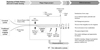 |
Fig. 2 Evolution and effects/outcomes of drip irrigation in Forquilha. Evolution et effets de l'irrigation au goutte-à-goutte à Forquilha. |
Rural publics policies identified in Forquilha valley.
Politiques publiques rurales identifiées dans la vallée de Forquilha.
3.2 Effects of irrigation on agricultural practices and environmental issues
3.2.1 Introduction of new crops
Local agricultural practices depended heavily on rainfed subsistence farming until the Pingo d'Água project was implemented. Before the 1990s, rainfed agriculture predominated, with crops like rice, cassava, sugarcane, sweet potatoes, corn, beans, and cotton. However, these crops faced several constraints. For example, cotton production in the 1980s was significantly hampered by the boll weevil (Anthonomus grandis).
The Pingo d'Água project promoted irrigated crops such as peppers, tomatoes, melons, and papaya, albeit without consulting local farmers. In 2004, severe rains caused substantial losses of crops and irrigation equipment for many farmers. Consequently, some reverted to rainfed farming, while others independently sought bank loans to restore their irrigation systems. Interviews revealed that farmers were persuaded by their newly acquired knowledge and their belief that irrigated agriculture offered a superior path to more productive farming, motivating them to reinvest in irrigation. As a result, farmers adapted their cropping systems and introduced new crops beyond those initially promoted by the project. For instance, a farmer in Lagoa Cercada began cultivating irrigated coconut, a crop not originally encouraged by the project. Currently, Forquilha farmers also cultivate irrigated coconut, passion fruit, banana, and various vegetables (including coriander, chives, and lettuce). The construction of a fruit pulp agro-industry in 2018 further incentivized farmers to cultivate fruit crops on areas up to 2 hectares, including cajá (yellow mombin, Spondias mombin), acerola (Malpighia emarginata), guava (Psidium guajava), and mango (Mangifera indica). In addition, drought conditions have encouraged farmers to produce irrigated forage crops for cattle feed.
3.2.2 Use of chemical inputs: pesticides and fertilizers
Pesticide use in the Forquilha basin began in the 1980s due to the proliferation of cotton pests. Subsequently, in 1998, the Pingo d'Água project intensified the application of chemical inputs, including fertilizers and phytosanitary products, for vegetable production. Interviews with local farmers revealed varied pesticide practices: (i) agroecological approaches, (ii) combined chemical and organic fertilizers and pesticides (e.g., cattle manure, neem extract [Azadirachta indica]), and (iii) intensified use of chemical inputs (Fig. 3). Farmers cultivating tomato and bell pepper crops were found to rely heavily on chemical inputs. One local resident stated, "tomatoes grow in poison and end up in poison," referring to pesticides as poison.
According to a technician involved in the Pingo d'Água project and a study by Collard and Burte (2014), irrigated agriculture in Forquilha initially embraced a sustainable approach with rational resources and inputs utilization. However, subsequent project phases saw changes in the technical team and a shift toward an intensification-oriented strategy.
This intensification of irrigation began in 2004, accompanied by a trend towards monoculture. This, in turn, promoted the spread of crop diseases and an increasing dependence on pesticides, compounded by a lack of adequate technical guidance. Local residents attributed the introduction of chemical inputs to the Pingo d'Água technicians.
The application of herbicides has extended to dryland agriculture, enabling farmers to reduce manual weeding. Our findings suggest that the intensification of input use cannot be solely attributed to farmers' lack of knowledge; other stakeholders also contributed. Traditionally, farmers removed weeds by burning the land, but environmental agencies banned this practice without providing alternatives, leading farmers to adopt chemicals that proved effective on irrigated crops. The same issue arose in cotton production, where access to bank loans necessitated the use of agrochemicals. According to one local farmer, "The poison was already included for the land I planted, and I had to use it because the technician came to see if I was using it."
During interviews, two individuals reported direct contact with pesticides and a range of symptoms, including stomach pain, headache, nausea, appetite loss, hair loss, and skin irritation. Furthermore, farmers disclosed their past use of the organochlorine pesticide Endosulfan, classified as extremely toxic by the National Agency of Sanitary Vigilance (ANVISA) and banned in Brazil since 2013. Nevertheless, farmers stated that they have limited knowledge to change their agrochemical practices and lack access to ATER (Rural Technical Assistance), lamenting, "nobody has taught us yet how to do it without poison.”
In contrast, some farmers have chosen to avoid phytosanitary chemical products and have altered their methods due to health concerns. One farmer illustrated this point, stating, "(...) For me, it doesn't work (to use phytosanitary chemical products) because when I planted peppers and tomatoes, the guy (temporary laborers) was here directly with pesticides, I couldn't come here. (...) I stayed weeks without walking on my plantation because of that." Unfortunately, farmers sometimes employ temporary laborers to apply pesticides without providing protective gear.
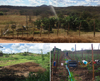 |
Fig. 3 Diversity in local farming practices: a) Agroecological systems; b) Applying cattle manure to vegetable crops; c) Using chemical inputs for tomato cultivation. Diversité des pratiques agricoles locales : a) Système agro-écologique; b) Utilisation de fumier de bovins pour les légumes ; c) Utilisation d'intrants chimiques pour les cultures de tomates. |
3.2.3 Soil management practices
In irrigated agriculture, two distinct soil management practices have been identified: crop rotation and soil burning. Farmers using irrigation systems typically alternate crops every 2 years However, farmers leasing land primarily cultivate tomatoes and peppers continuously, relocating to different plots once crop yields decline. These farmers compensate landowners with approximately 8–10% of their overall production, mitigating the risk of losses since the payment is proportional to profit. Despite its economic advantages, this approach limits environmental accountability, prioritizing land use intensification over sustainable soil management practices. Soil burning is a traditional technique commonly observed in rainfed agriculture, used for weeding and improving soil fertility; its prevalence stems from limited financial and social capital among farmers. Conversely, irrigating farmers often use herbicides instead of burning, which simplifies weed control.
Surveys indicate that some farmers emphasize crop rotation to combat soil fatigue, explaining that "you can't plant directly in the same place, because it takes too much land, then the soil vitamin is depleted... you have to change, from time to time..." In contrast, rainfed farmers believe that "burning the land is what helps it improve," while irrigated agroecological farmers deem it harmful, as it eliminates soil microorganisms that serve as natural fertilizers. These agroecological farmers are linked to NGOs that provide information and technical assistance, participating in an agroecological farmers' network.
3.2.4 The use of the Forquilha river for irrigation
Recurring droughts over the past decade have led to increasing demand for water to sustain crops in the Forquilha basin. Field visits with a former project technician, and subsequent data collection, indicate that the previous flow rate of the river, which was 70 m3/hour, has decreased to 13 m3/hour due to aquifer drawdown. Irrigating farmers have also observed increased pressure on water resources due to aquifer drawdown, prompting them to construct larger and deeper wells compared to older ones. Figure 4 illustrates the various types of wells found in the alluvial aquifer used for irrigation and their evolution over time.
To adjust to drought conditions and declining aquifer levels, farmers have converted wells initially constructed under the Pingo d'Água project into larger wells, locally known as "Cacimbão". They have also further deepened their wells by adding a tube-like structure in the center of the "Cacimbão". Many farmers believe that the groundwater shortage results from reduced river flow following the construction of the Cachoeira do Germano reservoir in 2012, which primarily supplies water for human consumption in the Forquilha basin and surrounding areas. Consequently, there is significant local pressure to release water from the reservoir into the river for irrigation purposes, creating tensions and conflicts between upstream and downstream communities (Caitano et al., 2015).
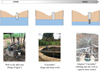 |
Fig. 4 Évolution des types de puits utilisés pour l'irrigation (entre 1998 et 2021). Evolution of Irrigation Well Types (1998–2021). |
3.3 Social effects of the irrigation project
3.3.1 The involvement of new stakeholders in the Forquilha Valley
The development of irrigated agriculture drew new stakeholders into the area, intending to offer technical assistance, provide labor, or commercialize inputs and agricultural products. Consequently, a new social organization emerged at the local level.
Through the Pingo d'Água project, ATER, researchers, and agronomists from both the municipality and the state introduced innovative concepts, including new water collection systems using alluvial wells and drip irrigation techniques. Currently, EMATERCE provides state-level technical assistance. EMATERCE has developed innovative strategies in agriculture and water management, including the establishment of a technology dissemination center (NIT) in the Forquilha basin in partnership with the local cooperative. This center aims to foster innovative management and conservation practices, such as constructing underground dams to facilitate irrigation, terracing, scarification, and soil decompaction. The program, implemented by EMATERCE, receives funding from the Ministry of Agriculture, Livestock and Supply (MAPA) to establish intervention centers in rural areas. NIT technicians support fruit and dryland farmers belonging to the Forquilha cooperative, providing them with enhanced access to projects like NIT and training offered by EMATERCE.
However, ATER (Rural Technical Assistance) faces staffing shortages, and ADAGRI, the control agency for plant products, is largely inactive. According to EMATERCE in Quixeramobim, only three technicians are responsible for monitoring 180 locations in the municipality. As a result, farmers have sought alternative information sources, such as phone applications and specialized television programs. While the transfer of knowledge among farmers occurs orally in a supportive and collaborative environment, potentially improving farmers' understanding, it also risks the dissemination of harmful practices, such as the improper use of pesticides. In contrast to the limited information provided by the State, agricultural store sellers and agrochemical sales representatives in Quixeramobim offer technical information to farmers to promote their products.
Some farmers serve as intermediaries, transporting fruit to Fortaleza and purchasing chemical inputs from the Ceará Supply Center (CEASA), a marketplace for fruits, vegetables, and other perishable goods established in 1972 near Fortaleza (the state capital). Furthermore, these farmers may negotiate with commercial representatives and distribute chemical inputs within the Forquilha valley without regulatory oversight, thereby perpetuating a cycle of chemical input dependency (Geels and Schot, 2007).
Technical advice functions as the primary marketing strategy of the “farmer-salesman” (Goulet, 2013). Regarding the marketing of agricultural products, the role of middlemen farmers linked to the local cooperative has been noted. With increased demand from the fruit pulp industry, some cooperative members have begun purchasing produce from smaller, non-member producers to meet production goals and participate in government programs like the PAA and PNAE.
This production system represents the regime level (Geels and Schot, 2007) within the region. It has also served to integrate impoverished farmers into a new temporary labor system. Dryland farmers and youths are employed by irrigated farmers in conventional agricultural systems, mainly for planting, pesticide application, and harvesting. Unfortunately, these laborers are more susceptible to the adverse effects of pesticides due to limited protective equipment and labor rights.
3.3.2 New alternatives: the agroecological niche
In Forquilha, we identified agroecological systems that function as a network of well-coordinated but geographically dispersed stakeholders at regional (Network of Agroecological Farmers of the Sertão Central) and state levels (Network of Agroecological and Solidarity Fairs of Ceará). Although some have participated in the past, these farmers do not currently identify with the Pingo d'Água project. These systems constitute niche systems within the region (Geels and Schot, 2007).
However, we also observed farmers engaged in agroecological practices characterized by low production and limited marketing. These farmers sell their products independently, employing a “door-to-door” approach, and remain unaffiliated with any formal network. Consequently, they possess less market power and autonomy. This group also exhibits greater gender diversity, with a higher proportion of women; one woman farmer was even elected president of a local agroecological association.
The agroecological niche in this region receives substantial support from NGOs and policymakers. Established in 2014 with NGO assistance, the Central Sertão Agroecological Farmers' Network benefited from the Quixeramobim City Council's provision of space for a local agroecological market in 2002. Moreover, in 2016, the Network secured funding from Articulation in the Brazilian Semi-arid – ASA, a non-governmental organization dedicated to promoting livelihoods in the semi-arid region, to construct a seed house (Fig. 5). This seed house enables local farmers and farmers from other municipalities and states to access genetic diversity in seeds, share traditional knowledge, and form a multi-scale network that empowers farmers with the support and capabilities needed to compete in global markets, as Dumont et al. (2016) suggest.
NGOs have also provided technical support. However, one farmer in the Agroecological Network voiced concerns regarding NGOs performance, stating, “you [NGO] make a project, give the project already set up, but don't give sufficient assistance and the farmer is left alone...”. Similarly, Collard and Burte (2014) identified vertical project structures and limited engagement time with communities as limitations affecting NGOs. This underscores the importance of bottom-up approaches in planning and implementing these initiatives.
We identified farmers who consider themselves “Experimental farmers and seed multipliers.” These farmers are key to conserving local maize and bean landraces, which form part of the region's genetic heritage. Although the exact number of farmers identifying with this role remains unclear, they are central to the agroecological niche. Their activities encompass not only seed conservation but also the dissemination of these seeds to other farmers, thereby contributing to the preservation of biodiversity, knowledge sharing, and the promotion of farmers autonomy and empowerment.
 |
Fig. 5 Family Farm Market (left) and Seed Bank (right) in Quixeramobim. Marché d'agriculture familiale (photo de gauche) et Banque des semences (photo de droite) à Quixeramobim. |
3.3.3 New challenges and opportunities for farmers in the Forquilha basin
In the Forquilha basin, local farmers affiliated with the cooperative distribute their agricultural products to 12 municipalities in Ceará through the PAA and PNAE programs. This institutional market has strengthened the economic capacity of family farms.
These programs have driven up the purchase price of organic products by as much as 30%, incentivizing the cooperative to adopt more sustainable input and soil management practices. With a guaranteed market, farmers have begun organizing their production according to contracts and delivery schedules. Due to deadlines and quantity requirements, some cooperative members have acted as intermediaries, buying from smaller, non-cooperative organic producers; however, the production practices and quality of these externally sourced products are not monitored.
The cooperative's supply of products has encountered difficulties when local politicians attempted to leverage institutional markets for their own gain. To circumvent these political pressures, farmers sought alternative markets in other municipalities. Conversely, farmers in the Agroecological Network had limited access to subsidized programs. A local NGO representative observed, “It's only a single closed group, which is already there, that wins. You participate, but why is it only that group that wins?” Consequently, they primarily sell their products at marketplaces, operating “while there is no guaranteed policy,” as a local NGO representative stated.
While ecological practices exist, cooperative farmers do not consistently link them to social values such as equitable profit distribution, as Baret (2013) and Dumont et al. (2016) have proposed. Instead, they have replicated dynamics of domination and competition within the cooperative. This reinforces the contention of Borsatto et al. (2019) that the PAA program alone cannot sufficiently foster a territorialized agroecological transition.
3.4 Symbolisms meaning and responses of the population to local changes
The development of irrigated agriculture has prompted farmers to re-evaluate their relationship with the land, transforming their perceptions of the countryside and local agricultural practices. However, responses to these changes vary, with some viewing them positively and others negatively. Symbolic meaning can be derived from historical memories, created through labor, and even through hardship; thus, different groups may hold distinct conceptions of the same reality (Tuan, 1990).
Interviews with farmers and local authorities revealed that, until 1998, Forquilha faced extreme poverty, forcing residents to travel in groups to Quixeramobim in search of food, resulting in the saying: “There goes the people from Forquilha to the city, and quickly the commerce closed its doors”.
Historically, farmers, especially young people, left Forquilha to find agricultural or non-agricultural work (e.g., in industry and construction) in cities such as Fortaleza and São Paulo. At that time, migration to São Paulo for sugarcane work was common. One local farmer recalled, “The expectation in the 1990s for young people, the sons of farmers, was to grow up and leave, to go to São Paulo. It was the dream (...)”. The implementation of irrigated agriculture has significantly improved water security and economic growth in Forquilha. Consequently, many farmers have returned to cultivate irrigated crops, mainly tomatoes and peppers. This development has also spurred the creation of a pulp industry, providing job opportunities for young people who might otherwise have left for urban centers. It is important to acknowledge that these improvements stem from various initiatives, not solely the Pingo d'Água project. The positive transformation in Forquilha has attracted attention from other states, resulting in frequent visits from politicians, researchers, and media outlets. The Pingo d'Água project has received several awards and has been replicated in other municipalities in Ceará and nearby states such as Piauí, Rio Grande do Norte, Pernambuco, and Minas Gerais.
In contrast, some express concerns about the negative impact of irrigated agriculture on the local environment. According to local residents, the Pingo d'Água project has encouraged pesticide use, leading to adverse consequences. One local farmer stated, “The real strength of Pingo d'Água is the poison (he was referring to pesticides). If there is no poison, there is no production.”
With the introduction of irrigated agriculture, the river has acquired a new significance as a natural resource, particularly from an economic standpoint. One local farmer explained, “This valley of Forquilha was invented not long ago, (...) after they invented these plantings, they invented the valley of Forquilha.” Previously, according to a long-time resident, the river served as a social gathering place, especially for women washing clothes and socializing. Now, this is no longer the case, and locals have noted decreased water levels, and productive activities causing difficult access to the river and contamination of the water. One local resident lamented that this situation has deprived the space of its nature: "the river is dead," and "the river is only a name." This sentiment aligns with the findings of perception studies by Cottet et al. (2023) and Le Lay et al. (2013), which demonstrated that water scarcity, sediment presence, and the presence of agricultural areas can devalue rivers and their surrounding landscapes.
4 Conclusions
This case study of the Forquilha Valley offers a tangible illustration of how the Multi-Level Perspective (MLP) framework can be applied to analyze sociotechnical transitions within semi-arid agricultural contexts. As Geels (2019) contends, the MLP rests upon a "broad empirical evidence base," to which this study contributes by examining the transformation of the local agricultural system following the adoption of drip irrigation technology.
The findings indicate that this technology triggered substantial shifts not only in agricultural practices but also in the region economic structure, social dynamics, and territorial perceptions. The MLP emphasizes the influence of cultural meanings and discursive struggles in shaping sociotechnical systems. The introduction of irrigation redefined the territory significance, shifting its perception from a "poor region" to the “Forquilha Valley”, a symbol of productivity and success.
Within the Forquilha Valley, the dominant regime is characterized by conventional agriculture, practiced by family farmers who have, over time, experienced financial improvements in their productive activities. This regime is marked by chemical input use but also by a blending of practices, integrating both conventional and sustainable approaches. Conversely, an agroecological niche has emerged, also driven by family farmers, demonstrating that the division lies not between "small" and "large" producers but rather between differing technical approaches and ideological orientations within family farming itself.
Several factors contributed to the regime stabilization, including the irrigation technology deployed through the Pingo d'Água project. This innovation encouraged crop diversification and, subsequently, the intensification of production, even in a semi-arid environment. Public policies such as Pingo d'Água, PRONAF, and institutional procurement programs (PAA and PNAE), which established markets for family farming, supported the institutionalization of this regime. However, despite their focus on organic and sustainable production, these programs have proven insufficient to broadly promote agroecological practices, especially concerning their social principles, as noted by Borsatto et al. (2019) and Dumont et al. (2020). Moreover, the political manipulation of these public programs by local leaders reinforces clientelism and territorial control, as analyzed by Collard et al. (2013) regarding water access in Northeast Brazil. In Forquilha, this dynamic has fueled competition with the agroecological network and amplified inequalities in access to resources and opportunities. The reliance on these policies and the competition for access highlight the political intricacies of the transformation process, characterized by “institutional and political lock-in mechanisms” (Geels, 2019).
In this context, NGOs and local rural labor unions have played a pivotal role in advocating for agroecology. However, limitations in NGO capacity, farmers' socioeconomic vulnerability, and the hybrid nature of practices reveal tensions between participatory agroecological ideals and the realities of rural life, where empowerment and dependency coexist and ecological goals often conflict with financial and technical constraints. These constraints can also be seen as "lock-in mechanisms," as Geels (2019) proposes, hindering radical change.
The MLP also acknowledges regime destabilization. Environmental shifts in the Forquilha River, including recurring droughts and aquifer depletion, have increased the system instability, opening avenues for alternative trajectories such as agroecology and livestock farming (present in the region but unexplored in this study). Therefore, we suggest that future research delve deeper into these dynamics, including developing typologies of agricultural practices, which would promote a more complete understanding of the region, opportunity windows, barriers, and parallel trajectories.
The introduction of irrigation, at that point in time, presented a window of opportunity, initiating a multifaceted scenario in the Forquilha basin with both benefits and drawbacks. This emphasizes the complexity of sociotechnical transitions and the importance of studying internal disputes within family farming.
Finally, we propose that future studies investigate differing perceptions of sustainability (beyond practice) by examining the shared mindsets that could impede the consolidation of a truly sustainable territorial model. Future research could explore the potential for dialogue between farmers aligned with the dominant regime and those active in the agroecological niche, encouraging the sharing of experiences, methods, and visions for the future. Such endeavors may uncover paths toward more inclusive and sustainable development approaches for the region.
References
- Altieri MA, Toledo VM. 2011. The agroecological revolution in Latin America: rescuing nature, ensuring food sovereignty and empowering peasants. J Peasant Stud 38(3): 587–612. https://doi.org/10.1080/03066150.2011.582947. [Google Scholar]
- Baret P, Stassart PM, Vanloqueren G, Van Damme J. 2013. Dépasser les verrouillages de régimes socio-techniques des systèmes alimentaires pour construire une transition agroécologique. In: Premier Congrès Interdisciplinaire sur le Développement durable. Namur, Belgique: ULB-UCL. [Google Scholar]
- Borsatto RS, Altieri MA, Duval HC, Perez-Cassarino J. 2019. Desafios dos mercados institucionais para promover a transição agroecológica. Raízes: Revista de Ciências Sociais e Econômicas 39(1): 99–113. https://doi.org/10.37370/raizes.2019.v39.84. [Google Scholar]
- Caitano RF, Burte J, Sinfort C, Mamede GL. 2015. Levantamento dos impactos socioambientais da irrigação segundo metodologia de diagnóstico sistêmico e participativo. III INOVAGRI International Meeting. Brasil. https://www.researchgate.net/publication/301377271_levantamento_dos_impactos_socioambientais_da_irrigacao_segundo_metodologia_de_ diagnostico_sistemico_e_participativo#fulltextfilecontent. [Google Scholar]
- Collard AL, Burte J, Pinton F, Jacobi PR, Jamin JY. 2013. Acces à l'eau et clientélisme dans le Nordeste brésilien. Natures Sciences Sociétés (21): 35–44. https://doi.org/10.1051/nss/2013060. [CrossRef] [EDP Sciences] [Google Scholar]
- Collard AL, Burte J. 2014. La non-adhésion des agriculteurs du Sertão brésilien à la conversion de leur modèle agricole. Etudes Rurales (194): 219–238. https://doi.org/10.4000/etudesrurales.10207. [Google Scholar]
- Cottet M, Robert A, Tronchère-Cottet H, Datry T. 2023. “It's dry, it has fewer charms!”: Do perceptions and values of intermittent rivers interact with their management?Environ Sci Policy 139: 139–148. https://doi.org/10.1016/j.envsci.2022.10.003. [Google Scholar]
- De Moura MSB, Sobrinho JE, Da Silva TGF. 2019. Aspectos metereológico do semiárido brasileiro. In: Ximenes LF, Silva MSL, Brito LTL (orgs.). Tecnologias de convivência com o semiárido brasileiro. Banco do Nordeste do Brasil. Fortaleza: BNB. [Google Scholar]
- Dumont AM, Gasselin P, Baret PV. 2020. Transitions in agriculture: three frameworks highlighting coexistence between a new agroecological configuration and an old, organic and conventional configuration of vegetable production in Wallonia (Belgium). Geoforum 108: 98–109. https://doi.org/10.1016/j.geoforum.2019.11.018. [Google Scholar]
- Dumont AM, Vanloqueren G, Stassart PM, Baret PV. 2016. Clarifying the socioeconomic dimensions of agroecology: between principles and practices. Agroecol Sustain Food Syst 40(1): 24–47. https://doi.org/10.1080/21683565.2015.1089967. [Google Scholar]
- FUNCEME. 2014. Sistemas Atmosféricos Atuantes Sobre o Nordeste. [21/06/2024]. http://www.funceme.br/?p=967. [Google Scholar]
- Gama AF, Oliveira AHB, Cavalcante RM. 2013. Inventário de agrotóxicos e risco de contaminação química dos recursos hídricos no semiárido cearense. Química Nova 36: 462–467. https://doi.org/10.1590/S0100-40422013000300017. [Google Scholar]
- Geels FW. 2002. Technological transitions as evolutionary reconfiguration processes: a multi-level perspective and a case-study. Research Policy (31): 1257–1274. https://doi.org/10.1016/S0048-7333(02)00062-8. [CrossRef] [Google Scholar]
- Geels, FW. 2019. Socio-technical transitions to sustainability: a review of criticisms and elaborations of the Multi-Level Perspective. Current Opinion in Environmental Sustainability, v. 39, p. 187–201. https://doi.org/10.1016/j.cosust.2019.06.009. [Google Scholar]
- Geels FW, Schot J. 2007. Niches in evolutionary theories of technical change: a critical survey of the literature. J Evol Econ 17: 605–622. https://doi.org/10.1007/s00191-007-0057-5. [Google Scholar]
- Goulet F. 2013. Narratives of experience and production of knowledge within farmers' groups. J Rural Stud 32: 439–447. https://doi.org/10.1016/j.jrurstud.2013.09.006. [Google Scholar]
- Goulet F, Aulagnier A, Hubert M. 2020. Del reemplazo tecnológico al desplazamiento de fronteras: las alternativas a los agroquímicos en Argentina, Brasil y Francia. [Google Scholar]
- Government of Brazil. 2024. Acessar o Programa Nacional de Fortalecimento da Agricultura Familiar (Pronaf). [14/08/2024]. https://www.gov.br/pt-br/servicos/acessar-o-programa-nacional-de-fortalecimento-da-agricultura-familiar-pronaf. [Google Scholar]
- Greenpeace. 2019. Liberação de agrotóxicos nos primeiros 100 dias de governo Bolsonaro [09/04/19]. https://www.greenpeace.org.br/hubfs/agrotoxicos-bolsonaro-100dias.pdf. [Google Scholar]
- Ibama. 2020. Boletim Anual de Produção, Importação, Exportação e Vendas de Agrotóxicos no Brasil. [2022/02/01]. https://www.gov.br/ibama/pt-br/assuntos/quimicos-e-biologicos/agrotoxicos/relatorios-de-comercializacao-de-agrotoxicos/relatorios-de-comercializacao-de-agrotoxicos#sobreosrelatorios. [Google Scholar]
- Le Lay YF, Piégay H, Rivière-Honegger A. 2013. Perception of braided river landscapes: Implications for public participation and sustainable management. J Environ Manag 119: 1–12. https://doi.org/10.1016/j.jenvman.2013.01.006. [Google Scholar]
- Lima LC, Morais JO, Souza MJN. 2000. Compartimentação territorial e a gestão regional do Ceará. Fortaleza (Brazil), Funece. [Google Scholar]
- Perry C, Steduto P, Karajeh F. 2017. Does improved irrigation technology save water? A review of the evidence. In: Food and Agriculture Organization of the United Nations, Cairo, 42. [Google Scholar]
- Sabourin E, Niederle PA, Le Coq JF, Vásquez L, Patrouilleau MM. 2017. Análisis comparativo en escala regional. In: Políticas públicas a favor de la agroecologia en América Latina y el Caribe. Porto Alegre: Evangraf/Criação Humana, Red PP-AL: FAO. https://agritrop.cirad.fr/585686/1/ID585686.pdf. [Google Scholar]
- SDA. 2014. Programa Hora de Plantar. [21/06/2024]. Information available at: https://www.sda.ce.gov.br/2014/08/21/programa-hora-de-plantar-hpnet/. [Google Scholar]
- Seigerman CK, Leite NS, Martins ESP, Nelson DR. 2024. At the extremes: assessing interrelations among the impacts of and responses to extreme hydroclimatic events in Ceará, Northeast Brazil. J Hydrol 632: 130850. https://doi.org/10.1016/j.jhydrol.2024.130850. [Google Scholar]
- SEINFRA. 2011. Luz para Todos. [21/06/2024]. https://www.seinfra.ce.gov.br/2011/02/23/luz-para-todos/. [Google Scholar]
- Toledo MBP, Tsuzuki CA. 2008. Projeto Conexão local: Projeto São José. https://pesquisa-eaesp.fgv.br/sites/gvpesquisa.fgv.br/files/conexao-local/projeto_sao_jose.pdf. [Google Scholar]
- Tuan YF. 1990. Topophilia: a study of environmental perception, attitudes, and values. New York: Columbia University Press. [Google Scholar]
Citation de l’article: Leite N.S, Jouini M, Martins E.S, Burte J. 2026. Réinventer la vallée de Forquilha au Ceará, Brésil : Transformation d'un territoire semi-aride par l'introduction d'un nouveau système socio-technique irrigué. Cah.Agric. 35: 10. https://doi.org/10.1051/cagri/2025042
All Tables
Rural publics policies identified in Forquilha valley.
Politiques publiques rurales identifiées dans la vallée de Forquilha.
All Figures
|
Fig. 1 Geographic location of the Forquilha basin, Ceará-Brazil. Localisation géographique du bassin de Forquilha, Ceará-Brésil. |
| In the text | |
|
Fig. 2 Evolution and effects/outcomes of drip irrigation in Forquilha. Evolution et effets de l'irrigation au goutte-à-goutte à Forquilha. |
| In the text | |
|
Fig. 3 Diversity in local farming practices: a) Agroecological systems; b) Applying cattle manure to vegetable crops; c) Using chemical inputs for tomato cultivation. Diversité des pratiques agricoles locales : a) Système agro-écologique; b) Utilisation de fumier de bovins pour les légumes ; c) Utilisation d'intrants chimiques pour les cultures de tomates. |
| In the text | |
|
Fig. 4 Évolution des types de puits utilisés pour l'irrigation (entre 1998 et 2021). Evolution of Irrigation Well Types (1998–2021). |
| In the text | |
|
Fig. 5 Family Farm Market (left) and Seed Bank (right) in Quixeramobim. Marché d'agriculture familiale (photo de gauche) et Banque des semences (photo de droite) à Quixeramobim. |
| In the text | |
Current usage metrics show cumulative count of Article Views (full-text article views including HTML views, PDF and ePub downloads, according to the available data) and Abstracts Views on Vision4Press platform.
Data correspond to usage on the plateform after 2015. The current usage metrics is available 48-96 hours after online publication and is updated daily on week days.
Initial download of the metrics may take a while.